
New Energy Support for WA Manufacturers: What It Means for Solar and Battery Storage
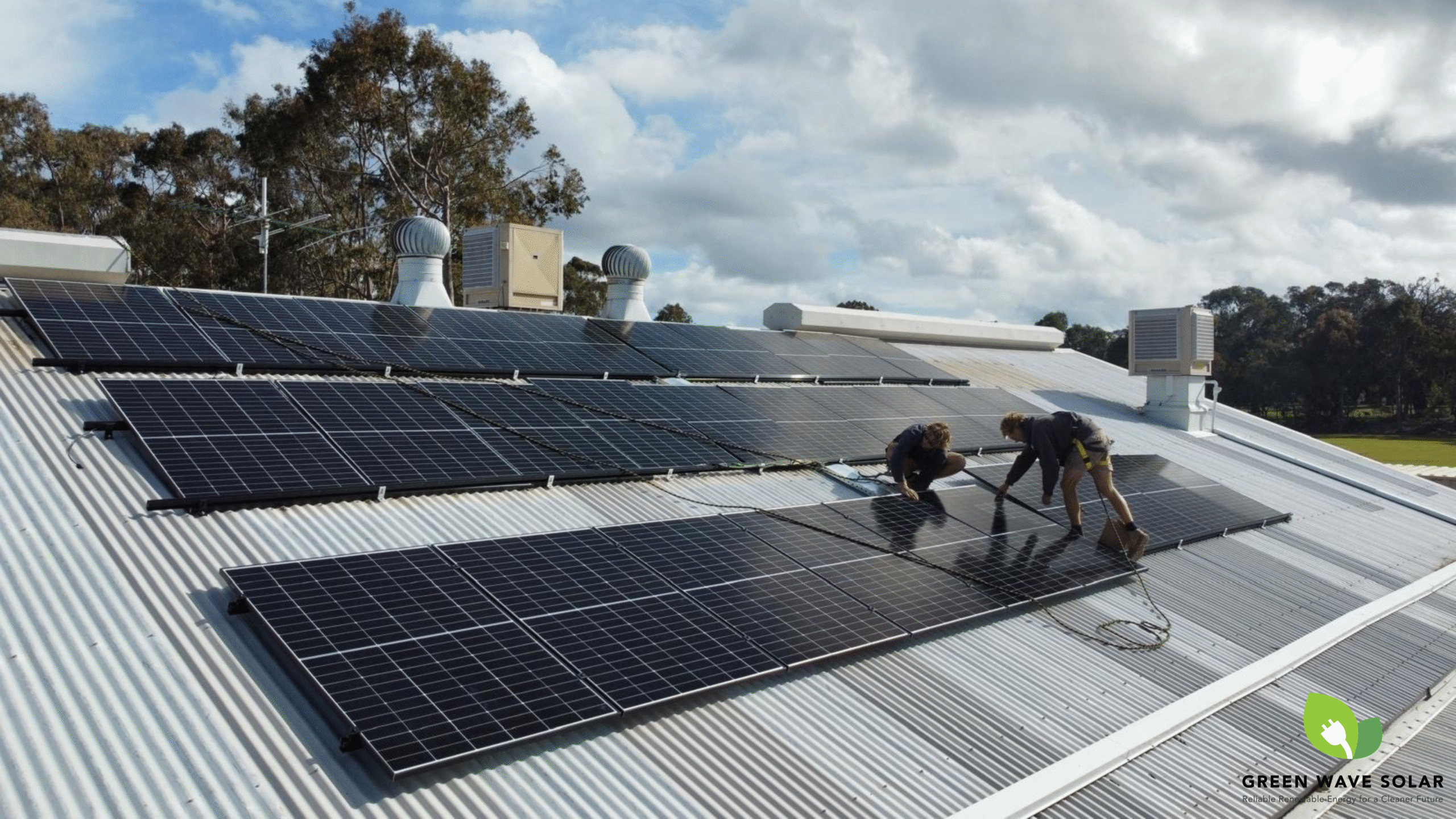
Already have solar panels installed? You could be one step closer to getting even more value from your solar investment.
For many homeowners across Dunsborough, Busselton and the South West, installing solar panels was the first step towards reducing electricity bills and becoming less reliant on the grid.
But what happens to all that solar energy your panels generate during the day when you’re not home to use it?
Without battery storage, excess solar electricity is generally exported to the grid. By adding a solar battery to your existing system, you can store some of that energy and use it later, including during the evening when your panels are no longer generating electricity.
The good news? In many cases, you can add a battery to an existing solar system without replacing your solar panels.
Here’s what you need to know before making the upgrade.
1. Can You Add a Battery to Your Existing Solar Panels?
Yes! Many existing solar installations can be upgraded with battery storage.
However, the process isn’t always as simple as connecting a battery to your current system.
Whether your solar setup is battery-ready depends on several factors, including:
-
The type and age of your existing solar inverter.
-
Your current solar system’s size and configuration.
-
The battery technology you’re considering.
-
Your household’s electricity consumption.
-
Available installation space and electrical requirements.
Some solar systems can accommodate a battery with relatively straightforward modifications, while others may require additional equipment or an inverter upgrade.
That’s why it’s important to have your existing system assessed before choosing a battery.
2. Will You Need to Replace Your Solar Inverter?
Not necessarily.
Your inverter plays an important role in converting the electricity generated by your solar panels into usable power for your home.
When adding battery storage, there are generally two common approaches.
AC-Coupled Battery Systems
An AC-coupled battery can often be added to an existing solar installation without replacing the original solar inverter.
This makes AC coupling a popular option for homeowners who already have a functioning solar system and want to introduce battery storage.
DC-Coupled Battery Systems
DC-coupled batteries are commonly paired with compatible hybrid inverters.
If your existing inverter isn’t compatible with the proposed battery setup, an inverter upgrade or additional equipment may be necessary.
Neither approach is automatically better for every home. The most suitable configuration depends on your existing equipment, budget and energy requirements.
A qualified solar installer can assess your setup and recommend the most practical solution.
3. What Size Battery Do You Need?
One of the biggest mistakes homeowners can make is assuming that a larger battery will always deliver better results.
The right battery size depends on how much electricity your household uses, particularly during the evening and overnight.
For example, consider two households:
Household A: A couple who work during the day and use most of their electricity in the evenings.
Household B: A family who regularly work from home, run appliances during daylight hours and have higher overall electricity consumption.
Even if both households have the same size solar system, their battery storage requirements could be very different.
When recommending a battery, it’s important to consider:
-
Your average daily electricity consumption.
-
How much solar energy your system exports.
-
Your evening and overnight electricity usage.
-
The size and performance of your existing solar system.
-
Whether you expect your electricity needs to increase.
-
Whether backup power during outages is important to you.
A battery should be sized around your household’s actual energy requirements, rather than simply choosing the largest available option.
4. What Are the Benefits of Adding Battery Storage?
Adding a battery can help you make better use of the solar energy your system already produces.
Use More of Your Own Solar Energy
Instead of exporting all your unused daytime solar electricity, a battery allows you to store some of it for later.
This can reduce the amount of electricity you need to purchase from the grid during the evening.
Reduce Your Reliance on the Grid
By storing solar energy generated during the day, your household may be able to rely less on grid electricity at times when your solar panels aren’t producing power.
Make Better Use of Your Existing Investment
If you’ve already invested in solar panels, adding a battery may help you use a greater proportion of the electricity they generate.
Potential Backup Power
Some battery systems can provide backup electricity during a power outage.
However, backup capability is not included with every battery installation. It depends on the battery, inverter, system configuration and any additional backup equipment installed.
If keeping essential appliances running during an outage is important to you, make sure you discuss this with your installer.
5. Are Solar Battery Rebates Available in Western Australia?
Government incentives may help reduce the upfront cost of eligible home battery installations.
In Western Australia, homeowners may be able to access support through the Australian Government’s Cheaper Home Batteries Program and applicable state-based battery incentives.
However, eligibility depends on factors such as the battery system, installation requirements, program conditions and the date of installation.
Rebate arrangements and available amounts can change, so it’s important to confirm current eligibility before making a purchase.
The Green Wave Solar team can help you understand which incentives may apply to your proposed installation.
6. Is Adding a Battery Worth It?
For some households, battery storage can be a valuable addition to an existing solar system.
However, whether it’s financially worthwhile depends on your individual circumstances.
Factors such as your electricity tariff, solar exports, household consumption, battery cost and expected usage all influence the potential benefits.
A household that exports substantial solar energy during the day and purchases electricity in the evening may have a different outcome to a household that already uses most of its solar generation directly.
Rather than relying on generic savings estimates, it’s worth having your existing system and electricity usage assessed to determine whether battery storage is a suitable investment.
7. Why Choose a Local South West Solar Installer?
Adding battery storage to an existing system requires more than selecting a product.
Your installer needs to understand how the battery will work with your current solar setup, your household’s energy requirements and the relevant installation standards.
At Green Wave Solar, we’re proud to help homeowners throughout Dunsborough, Busselton and the wider South West explore practical solar and battery solutions.
Whether you’re considering your first battery or looking to upgrade an older solar installation, our team can assess your existing setup and discuss the options available.
Ready to Get More Out of Your Solar System?
If you already have solar panels and are wondering whether battery storage is the right next step, we’re here to help.
Contact Green Wave Solar to discuss your existing system, explore compatible battery options and request a personalised quote.
Get in touch with Green Wave Solar today.