
Your Solar System’s Summer Ready Checklist
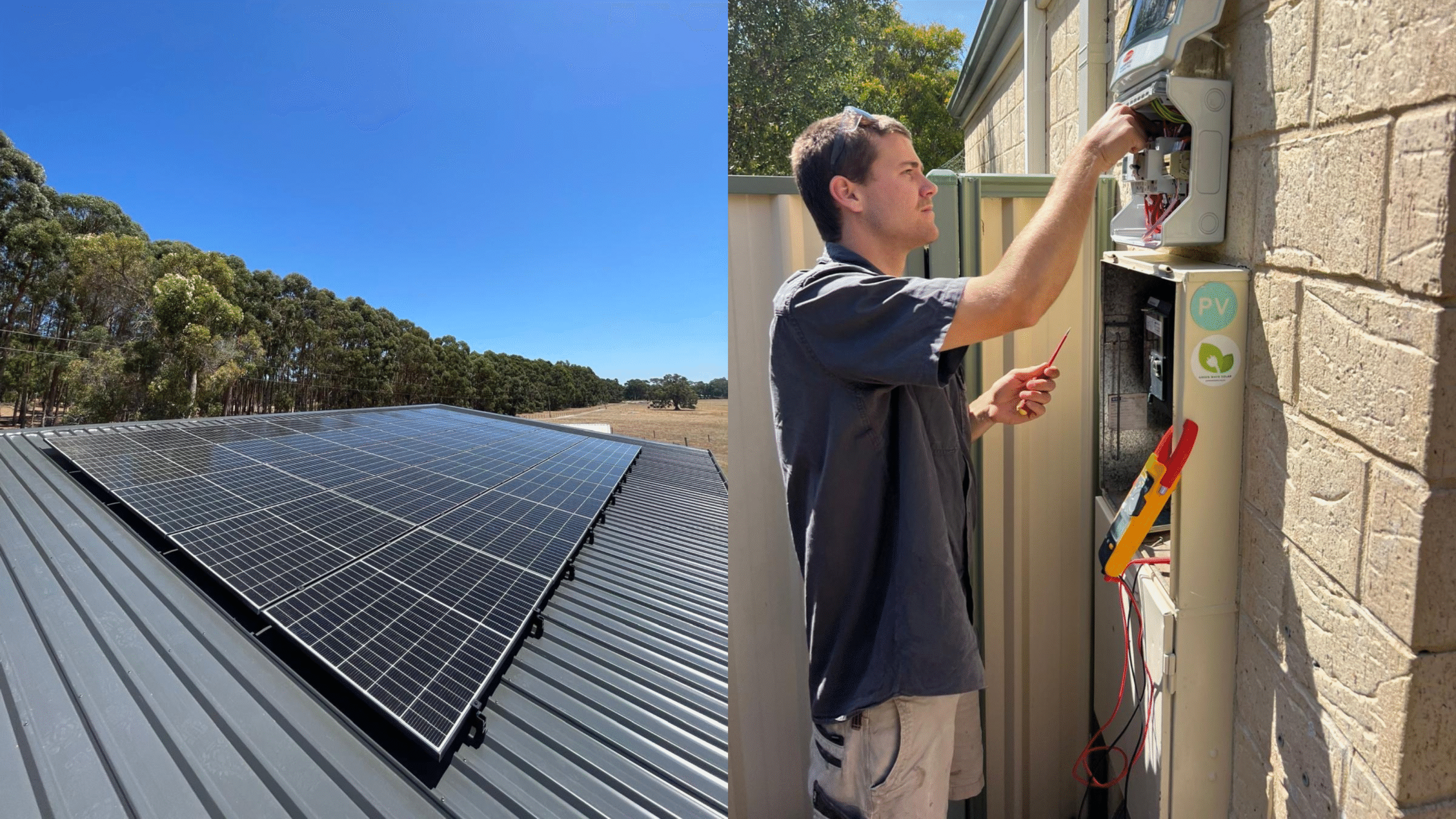
If you own a warehouse, workshop, retail space or commercial property, there could be a valuable energy opportunity sitting right above you.
Large commercial rooftops provide plenty of space for solar, and for many WA property owners, installing a system can do more than simply reduce the building’s electricity bill.
Depending on how your property is used, who occupies it and how the electricity is set up, solar could help reduce energy costs, provide renewable energy to tenants and make better use of roof space that would otherwise sit unused.
Why Commercial Properties Are Well Suited to Solar
Many businesses use the majority of their electricity during daylight hours, which is also when a solar system is generating energy.
Warehouses, workshops, offices, retail premises and other commercial buildings can also have considerably more roof space available than a typical home.
Put the two together and there can be a strong case for commercial solar.
Rather than purchasing all of the electricity required to operate the property from the grid, solar allows you to generate some of that energy right where it is being used.
What If You Lease the Property to Someone Else?
You don’t necessarily need to operate the business inside the building to consider solar.
For landlords and owners of leased commercial properties, there may still be opportunities to benefit from installing solar.
Depending on the property’s electrical infrastructure, metering and lease arrangements, onsite solar may be able to supply electricity used by tenants.
This could give tenants access to locally generated renewable electricity while allowing the property owner to make productive use of the building’s roof.
For multi-tenanted properties, the setup can be more complicated, which is why the property needs to be assessed properly before deciding what type of system is suitable.
Could Solar Make Your Property More Attractive to Tenants?
Energy costs matter to businesses.
A commercial property that can offer access to onsite renewable energy may provide an additional benefit to current and future tenants, particularly businesses looking to reduce operating costs or work towards sustainability goals.
Solar can therefore become part of the overall offering of the property, rather than simply being equipment installed on the roof.
Potential benefits can include:
- Generating electricity onsite
- Reducing reliance on grid electricity
- Making use of otherwise unused roof space
- Providing renewable energy for tenants
- Supporting sustainability goals
- Improving the property’s overall energy offering
Exactly what is possible will depend on the individual property and how its electricity is currently managed.
Should You Add a Battery?
Not every commercial solar system needs battery storage.
If the property uses a lot of electricity while the solar system is generating, using that energy directly may make the most sense.
For other properties, battery storage could allow excess solar energy generated during the day to be stored and used later.
Before recommending a battery, we look at factors such as when the property uses electricity, how much solar is likely to be generated and what the owner actually wants the system to achieve.
The right solution could be solar alone or a combination of solar and battery storage.
Multi-Tenanted Property? There’s More to Consider
If several businesses operate within the same property, designing the right system requires a closer look at how electricity moves through the site.
Things we may need to consider include:
- Individual tenant electricity usage
- Existing electricity meters
- Common-area power consumption
- Electrical infrastructure
- Available roof space
- Network connection requirements
- Current and future tenants
- Battery storage
- How the generated solar energy will be used
This is why simply filling the available roof with panels isn’t necessarily the best approach.
A commercial solar system should be designed around the property and the people using it.
Commercial Solar Is Changing Too
There’s another reason commercial property owners should be looking at their rooftops differently.
From 1 October 2026, the Small-scale Renewable Energy Scheme is expanding to include eligible solar systems above 100kW and up to 1MW.
For properties capable of supporting larger commercial solar installations, this means eligible systems may now have access to upfront support through Small-scale Technology Certificates that wasn’t previously available under the SRES at this scale.
If you own a large commercial property and have previously looked at solar, the changes could make it worth reassessing your options.
Your Roof Could Be Doing More
If you own a large commercial building, your roof doesn’t have to just sit there.
With the right solar system, it can generate renewable electricity for the businesses operating underneath it and potentially become a valuable part of how the property manages energy.
Green Wave Solar is a WA-owned and operated solar and electrical company based in the South West. Our experienced electricians design and install commercial solar and battery systems using quality products selected for reliable, long-term performance.
We work with each property individually to understand its electricity requirements, available space and future plans before recommending a solution.
Got a Commercial Roof With Solar Potential?
Whether you own the business operating from the property or lease the building to tenants, talk to Green Wave Solar about what your roof could be capable of.
We’ll assess your property and help you understand whether commercial solar, battery storage or a combination of both could be the right fit.
This article provides general information only. The financial, regulatory and technical suitability of solar generation, tenant energy supply and battery storage will depend on the individual property and proposed commercial arrangement. Independent legal, financial and regulatory advice may be required.